X





Contact
RIMANDERMA
RIMAN ID: 8088568128
Address: 9081 Győrújbarát, Berettyó u. 9.
Phone: +36204336025
E-mail: rimanderma@gmail.hu
Skin Functions We Can Support
Our skin is the largest organ system of the human body. In an average adult, it covers an area of approximately 1.5–1.8 m², weighs around 10 kg, and performs numerous vital physiological functions.
Our skin both separates us from and connects us to the external world, gives shape and color to our body.
- It protects against mechanical impacts. A flexible armor that continuously adapts to our body’s movements.
- It shields against radiation with the help of melanin produced in the skin.
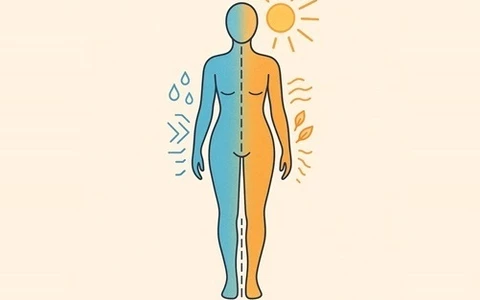
- It protects against temperature changes while also regulating the body’s temperature. Sweating acts as our body’s cooling system, while also helping to reduce heat loss. When exposed to cold, blood flow and heat release decrease. Goosebumps appear as the arrector pili muscles around contract, instantly warming the skin.
- It prevents the body from drying out and stops excessive fluid penetration. The balance of the skin’s natural moisture content affects the functioning of all other protective mechanisms. Dry skin has a reduced protective ability.
- It blocks unwanted chemical substances from entering. Our hands are especially exposed to various aggressive contaminants, but our face is also constantly in direct contact with the outside world.
- IT keeps harmful pathogens and microorganisms at bay. The symbiotic bacteria living on our skin are part of the skin’s microbiome. They help maintain the skin’s pH balance and provide a mild protection against UV radiation.
- Two of our senses — touch and temperature perception — are functions of the skin.
- It plays a role in immune protection. Immune cells located in the skin are activated as soon as viruses, bacteria, or fungi breach the first line of defense.
- It participates in metabolic processes. Alongside the liver, our skin also plays a role in eliminating toxins from the body.
- Exposed to sunlight, the skin produces vitamin D2, which is essential for cell formation and other vital physiological processes.
- To the dismay of many, it also acts as an energy reserve. But it stores not only energy, but also fat-soluble vitamins.
- It’s an important signaling system worth paying attention to! The skin can flush or pale not only due to emotional shock, but also as a sign of physiological disturbances. In the case of illness, visible changes of the skin can have diagnostic value for medical professionals.
The multilayered structure of the skin is in a constant state of renewal.
Its cells are formed in the deeper layers and, as they move outward, reach the stratum corneum in approximately 28 days, where the already dead skin cells naturally shed.
The health of this complex, multifunctional organ is an integral part of both our physical and mental well-being. In addition, the condition of our skin—especially that of our face, hair, and hands—strongly influences our aesthetic appearance, attractiveness, vitality, and even our self-esteem.
Back to the previous page!